Flame-Retardant Textile Technology
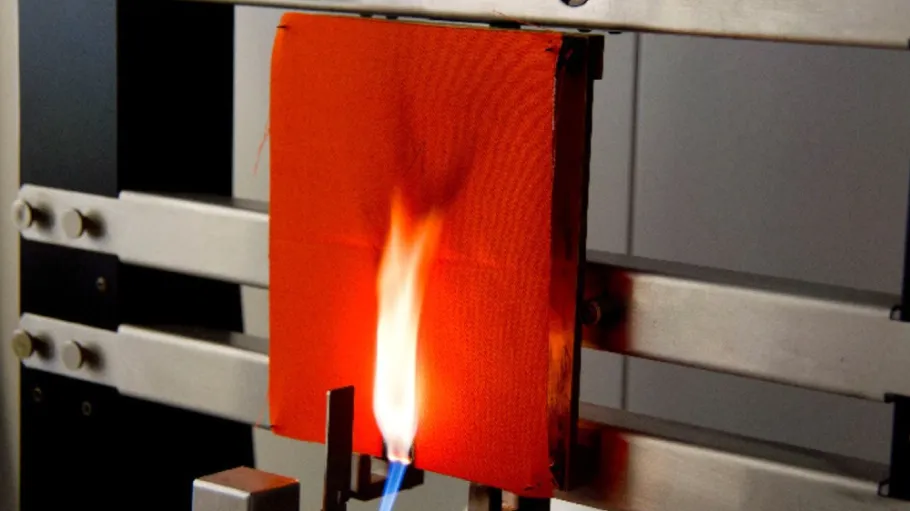
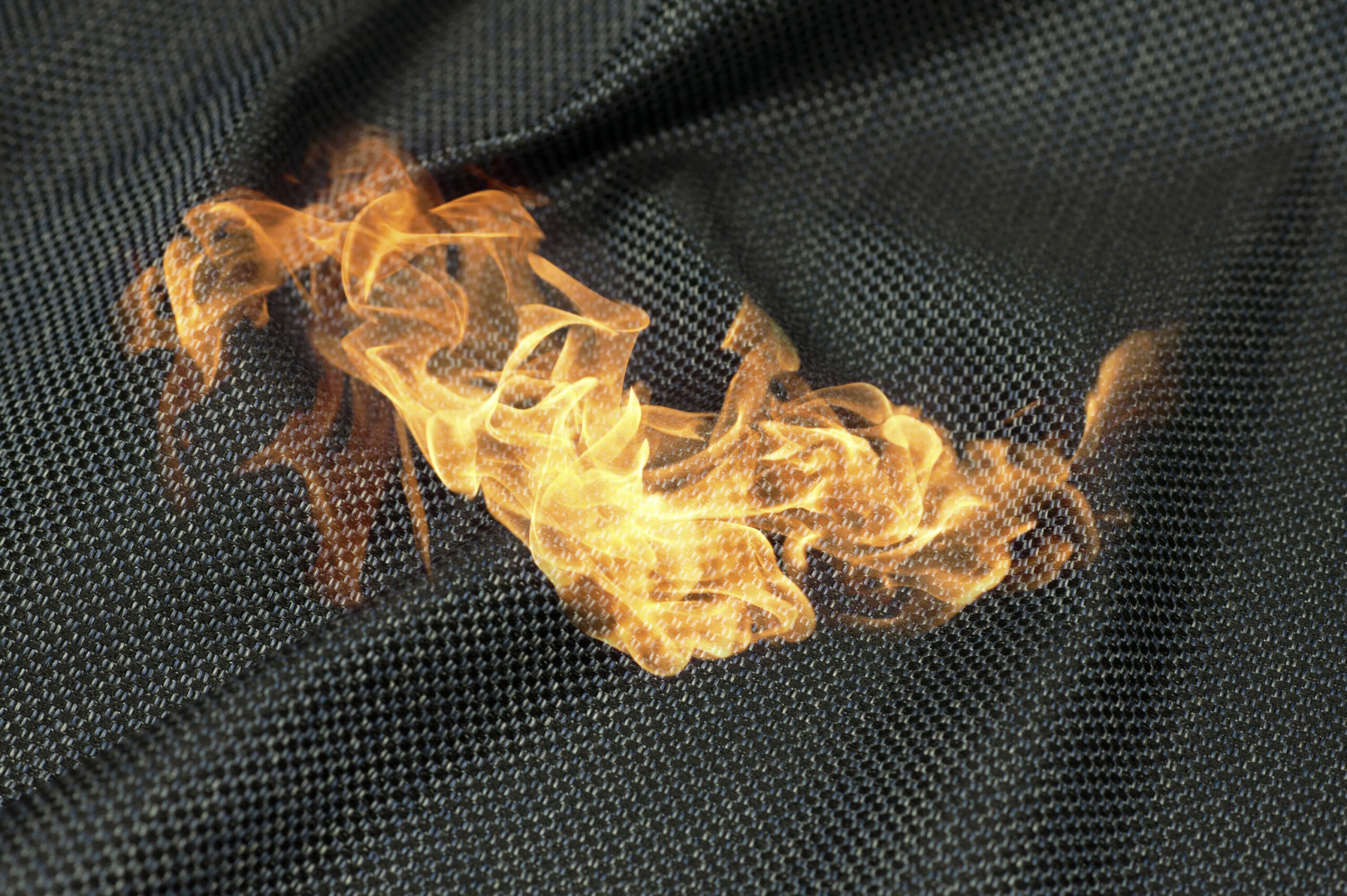
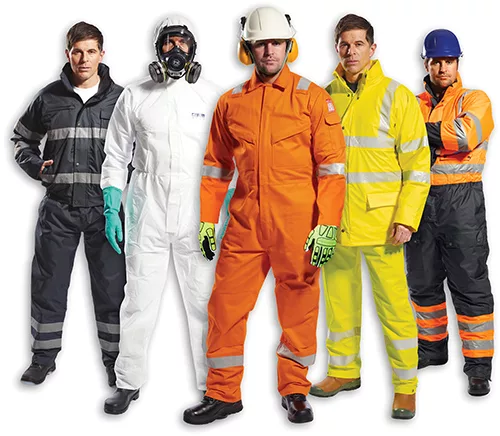
Textile fire-retardant technology encompasses a range of methods and materials that delay a fabric’s reaction to flames, slow its burning rate, prevent flame spread, or even cause it to self-extinguish once the ignition source is removed. This technology is directly linked to personal, industrial, and structural safety and is utilized across numerous sectors, including workwear, hotel curtains, furniture, hospital equipment, and military and athletic apparel.
🔥 What is the purpose of fire-retardant technology?
The primary goal of this technology is to reduce the risk of ignition, slow the spread of flames, and prevent fire from propagating across the fabric.
Fire-retardant fabrics:
Ignite more slowly
Slow the spread of flames
Self-extinguish once the ignition source is removed
Produce less smoke and fewer toxic gases (when modern technologies are used)
📌 Methods for Fireproofing Textiles
1️⃣ Inherent Flame Resistance
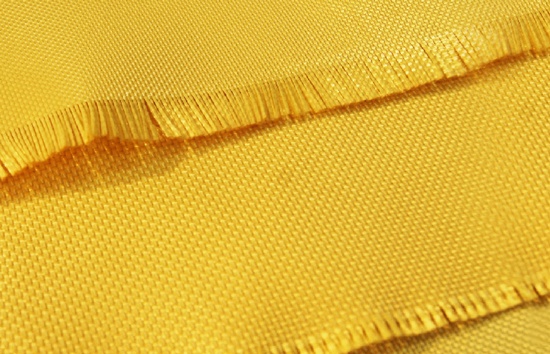
In this method, the fibers are inherently flame-resistant; meaning their molecular structure does not burn or is slow to burn.
Examples:
Aramids (e.g., Nomex and Kevlar)
Modacrylics
Carbon fibers
🔹 Characteristics:
Exceptional durability
Withstands repeated washing without losing properties
Excellent heat resistance
Suitable for firefighting, military, and oil & gas industries
2️⃣ Chemical Finishing Method (Flame Retardant Finishing)
In this method, the fabric is coated with fire-retardant chemicals after production.
Application methods:
Pad-Dry-Cure: Impregnation → Drying → Heat fixation
Spray: Rapid application in the construction and furniture industries
Dip coating: Deep penetration of materials into the fibers
Common materials:
Phosphorus-based compounds (Phosphorus-based FR)
Nitrogen-based materials
Halogens (less commonly used due to environmental concerns)
Silicone and nano-based compounds (next generation)
🔹 Advantages:
Lower cost compared to inherently functional fibers
Applicable to cotton, polyester, and blends
🔹 Challenges:
Potential reduction in performance after washing
Potential reduction in fabric softness
Environmental impact of certain substances
3️⃣ Nanotechnology and Advanced Polymer Coatings
A new generation of fire-retardant materials has been developed based on nanoparticles, heat-resistant polymers, and innovative refractory substances.
Examples:
Nanosilicon coatings → Formation of a durable ceramic layer
Nanographene and graphene-based polymers → Flame retardancy and controlled thermal conductivity
Intumescent coatings → Expand upon exposure to heat to form a protective barrier
🔹 Advantages:
Lightweight, excellent flexibility
Non-toxic and low-smoke emission
Skin-friendly and environmentally friendly
💡 How do fire-retardant mechanisms work?
🔸 1. Formation of a protective carbon layer
At high temperatures, the coating transforms into hard carbon, acting as a shield that keeps the fibers protected from the flames.
🔸 2. Release of non-flammable gases
Certain materials release N2, CO2, or water vapor, which reduce oxygen levels and smother the flame.
🔸 3. Alteration of polymer structure
When exposed to heat, the fibers char rather than burn, thereby preventing the spread of fire.
🔸 4. Reduction of smoke generation
In advanced coatings, the decomposition process is controlled, resulting in lower production of chemical smoke.
🧪 Fire-Resistant Fabric Testing Standards
In the textile industry, fire-resistant performance is evaluated using standardized tests:
ISO 15025 — Vertical flame test
ISO 11612 — Clothing for protection against heat and flame
NFPA 2112 — Clothing for the oil and gas industries
NFPA 701 — Curtain and architectural textiles
ASTM D6413 — Measurement of afterflame and afterglow
These tests evaluate parameters such as:
Afterflame time
Char length
Extent of charring
Release of molten droplets
📦 Applications of Fire-Resistant Textiles
🔹 Oil, Gas, and Petrochemical Industries
Protective clothing for refinery and petrochemical workers must be genuinely fire-resistant (FR).
🔹 Firefighting
Multi-layer aramid garments provide protection against flames and extreme heat.
🔹 Hospitals and Healthcare Facilities
Curtains, bed linens, and uniforms help prevent the spread of fire.
🔹 Hotels, Auditoriums, and Cinemas
Curtains, upholstery, and carpeting must meet fire-resistance standards.
🔹 Home and Office Furniture
Fire-resistant fabrics used in furniture help prevent loss of life.
👨🔬 Key Considerations When Selecting Fire-Resistant Fabric
Being merely “fireproof” is insufficient; the testing standard matters.
FR (Flame-Resistant) clothing must be breathable, lightweight, and comfortable.
Fire-resistant properties should not significantly diminish after washing.
In architectural projects, the prevention of toxic smoke emission is essential.
Sourcing from a reputable supplier (such as specialized textile companies) ensures product quality.
✨ Conclusion
Fire-retardant textile technology represents a vital step in enhancing safety across various industries.
This technology is achieved through two main approaches:
1️⃣ Inherently flame-resistant fibers
2️⃣ Chemical finishing (traditional, nano-based, or modern coatings)
By adhering to global standards and utilizing advanced technologies, it is possible to produce materials that offer durability, minimal smoke emission, limited fire spread, and a high level of safety.